MY FIRST TIME IN LIBERIA
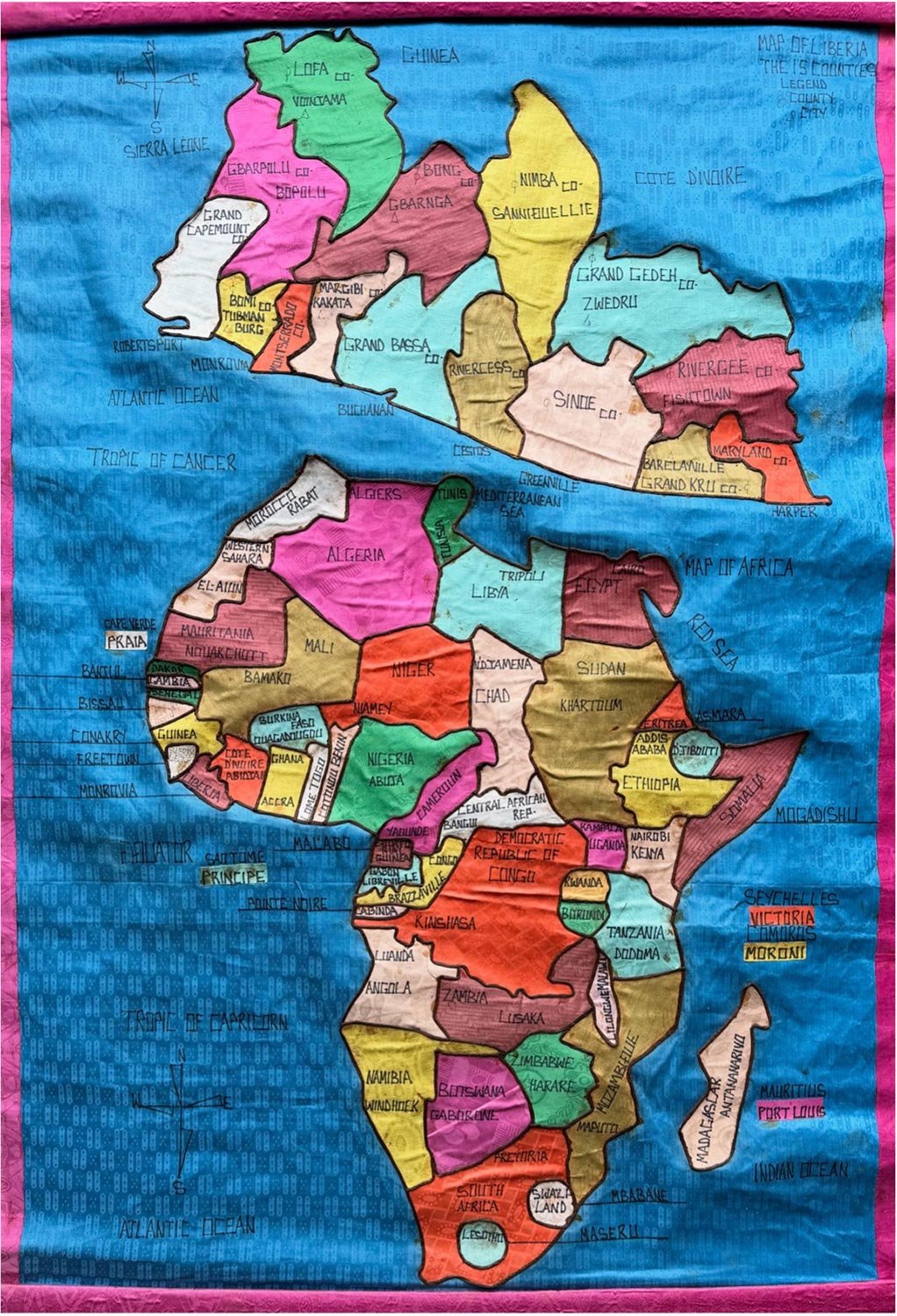
Liberia lies halfway around the bulge that is West Africa – adjacent to Sierra Leone, Guinea and Cote d’Ivoire. At the top of the tapestry map below, which was made in Liberia, you can see the shape of the country and its fifteen administrative counties. It is unusual within Africa in having started as an American project (see historical summary overleaf) and it continues to this day to have a strong American feel with a US company (Firestone) dominating the economy.
Liberia began in the early 19th century as a project of the American Colonization Society (ACS), which believed black people would face better chances for freedom and prosperity in Africa than in the United States.[7] Between 1822 and the outbreak of the American Civil War in 1861, more than 15,000 freed and free-born black people who faced social and legal oppression in the U.S., along with 3,198 Afro-Caribbeans, relocated to Liberia.[8] Gradually developing an "Americo-Liberian" identity, the settlers carried their culture and tradition with them; the Liberian constitution and flag were modeled after those of the U.S., while its capital was named after ACS supporter and U.S. President James Monroe. Liberia declared independence on July 26, 1847, which the U.S. did not recognize until February 5, 1862. On January 3, 1848, Joseph Jenkins Roberts, a wealthy, free-born African American from the U.S. state of Virginia who settled in Liberia, was elected Liberia's first president after the people proclaimed independence.[8]. The Americo-Liberian settlers did not relate well to the indigenous peoples they encountered, especially those living in the more isolated interior. Colonial settlements were raided by the Kru and Grebo from their inland chiefdoms. Americo-Liberians promoted religious organizations to set up missions and schools to educate the native populace.[9] Americo-Liberians formed into a small elite that held disproportionate political power; indigenous Africans were excluded from birthright citizenship in their own land until 1904.[9][10]
I first arrived in Liberia in May 1978 on a trip that included Dakar (Senegal), Bamako (Niger) and Abidjan (Cote d’Ivoire) – the latter to visit the African Development Bank. In those days it was rare (and hideously expensive) to be able talk on the phone to people in Africa, so if one wanted to engage with them and get things done then the default response was to jump on a plane. Hence only a month after that first visit, in June and again in August, I was back in the country to help develop a horticultural project in which the Saphir Group was going to invest. What struck me most at that time was how American everything seemed - not only the accents and the vehicles and the occasional fast-food shops but also the names. The person who helped me most during those early visits was called Roosevelt Anderson Junior. Another was called Charles T.O. King III. Not names one would expect to find in West Africa, and they reflected tensions within the country – which you can see in the last few lines of the box above - between those who returned from America following emancipation and the indigenous people….a tension which later erupted in violence and bloody civil war.
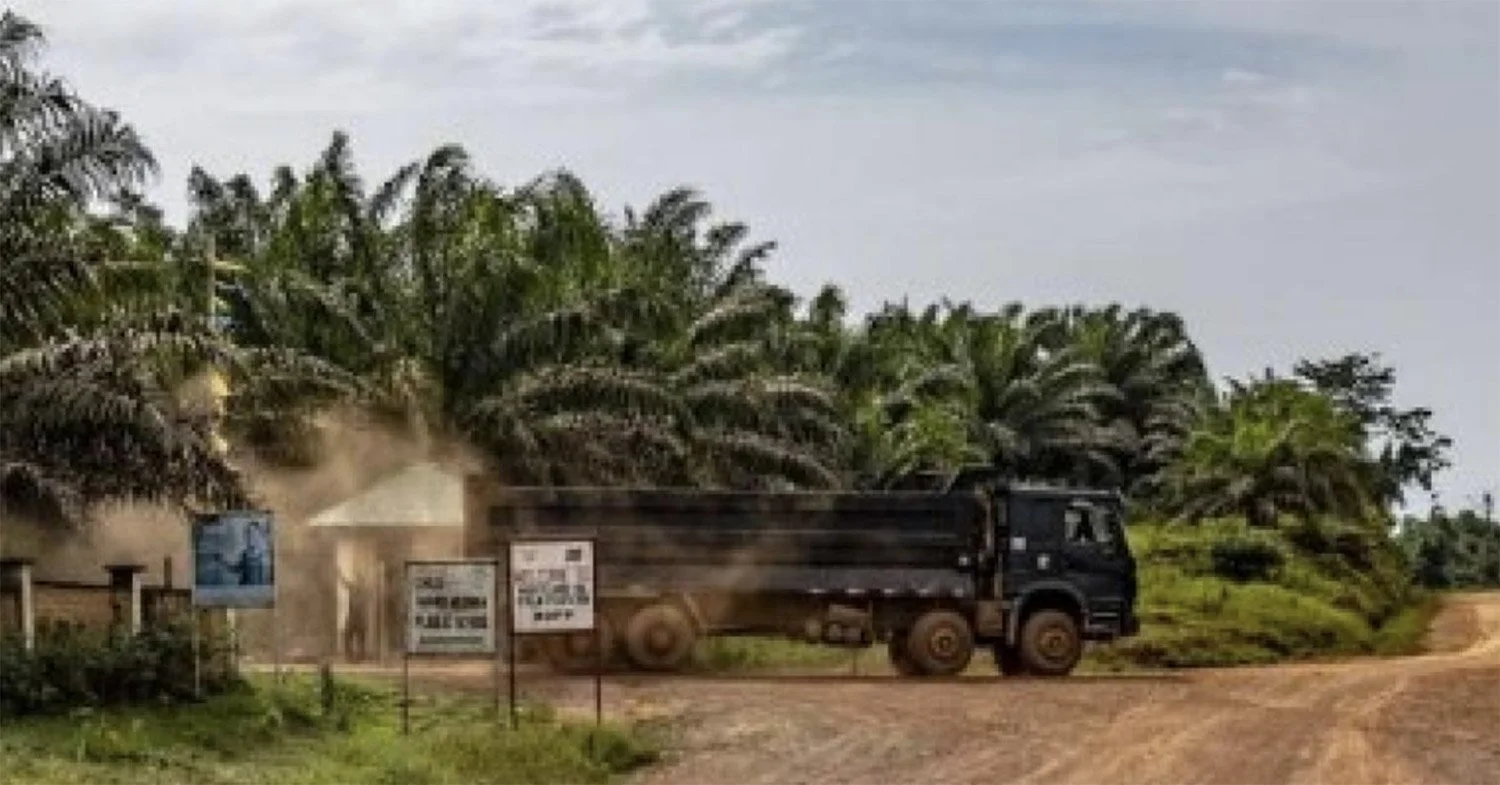
In both October and November the following year (1979), I was back again - this time to look at the possibility of managing the Decoris Oil Palm Project in the southeast of the country. This was a new project focused on developing 5,000 acres of oil palm linked to smallholders, funded by the World Bank, the African Development Bank and the Commonwealth Development Corporation. I was there because the project needed external management and CDC had invited the company I was managing (Minster Agriculture)) to bid for the job. So I came to look around, get some local knowledge and find some local partners.
Roosevelt Anderson, who had kindly helped me on my earlier visits, continued to do so. Unusually, on this occasion, I stayed at the extraordinarily luxurious, five-star but ill-fated Ducor Hotel - partly because there wasn’t much choice but mainly because I wanted to meet the CDC people who were in town. During its relatively short existence, the hotel had a chequered history, perhaps reflecting the stark contrast between its overt luxury and the poverty of most of the country’s people. In 1989, at the start of the civil war, it was badly damaged and overtaken by squatters – an experience from which it never recovered.
Apart from meeting the people concerned with the project in Monrovia, I was keen to get out to see the project site. So one morning I headed out to the airport on the edge of the city, which was home to a ragtag and bobtail selection of light aircraft. They were strewn around the airport - in the middle of which was a bunch of shacks, which were the offices of the various owners. Early on at the airport, I saw the people from CDC, led by Theo Jones. He was their Chief Agriculturalist - an imposing person both physically and intellectually. Assuming that they had the same idea as me, I sauntered over and mooted the idea that I might cadge a lift on their charter plane. Sadly, and I recognise in hindsight quite rightly, they turned me down on the grounds that it might seem that I was getting preferential treatment. Half in jest, I suggested to Theo that if we didn’t win this project, I might apply to CDC for a job, to which he replied: “We’d never give you a job, John, you’re far too much of a free spirit”…..which I decided on balance I should take as a compliment.
Somewhat dejected at not being able to cadge a lift, I wandered off around the airport looking for a plane to hire - something that I had never done before, let alone for immediate take-off. And being long before bank cards emerged, I had only a pile of dollars in my pocket….
The first owner I approached took me over to see his ramshackle plane. Things were going smoothly until he asked me where I wanted to go, and after some back of the envelope calculations he estimated that we would need some additional fuel. “Would you mind if I filled a few plastic containers and stored them under your seat?” he blithely asked. Although not one to shirk risks, I sensed that this was one beyond the call of duty and I declined the offer.
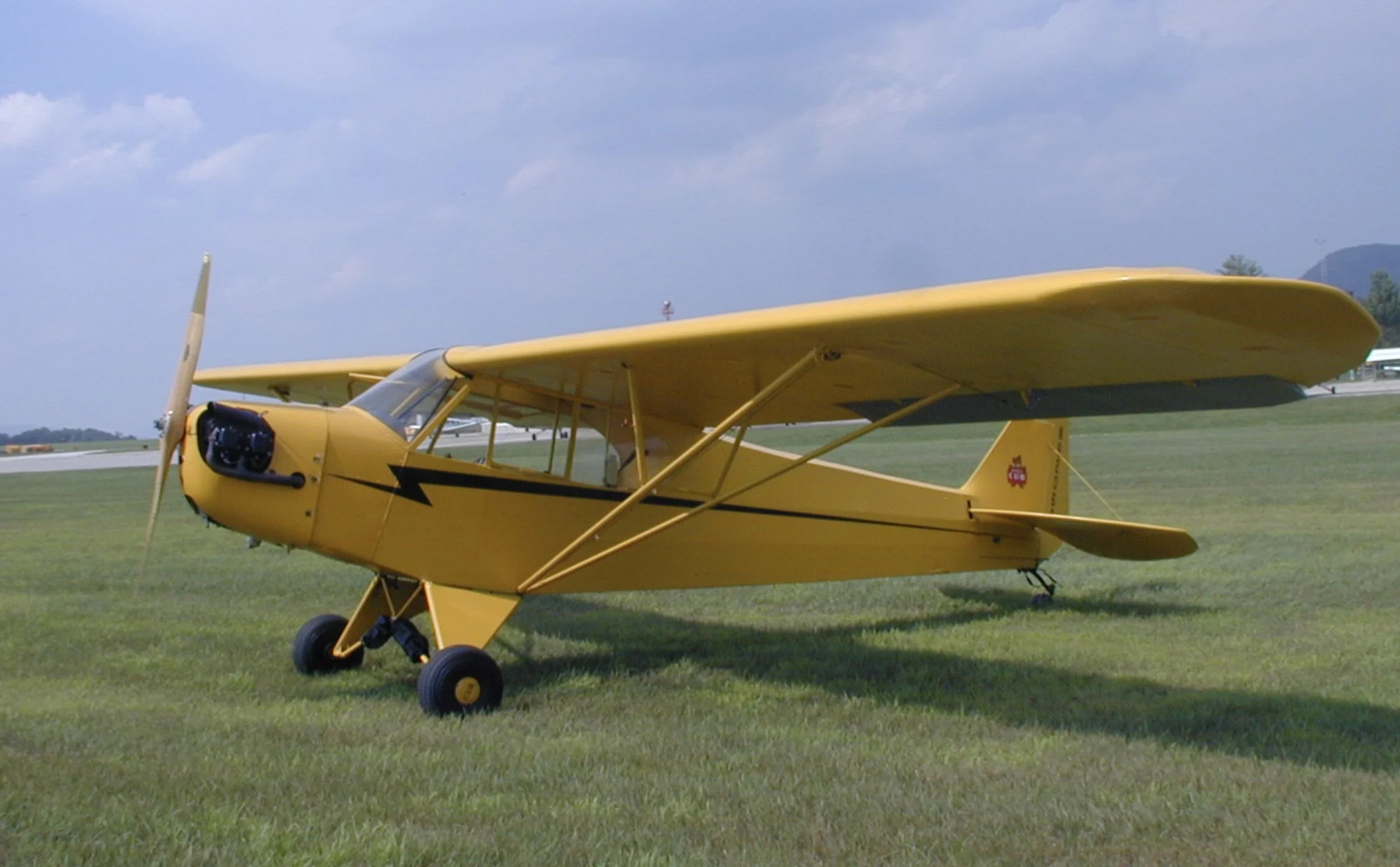
Eventually, I found an American “flying” evangelist, who used his plane to travel round the country and preach the gospel. His single-propellor plane was not dissimilar to the one I had earlier rejected - something like the one below -,but at least it could carry enough fuel in its tanks. So he was hired for immediate take-off.
Once inside the cockpit, I could see that the instrumentation was pretty basic - a speedometer, an altimeter, a fuel gauge, a compass, a throttle, a joystick and a foot brake – not dissimilar to that of an early Morris Minor (below). Radar was clearly an optional extra that had not been taken up.
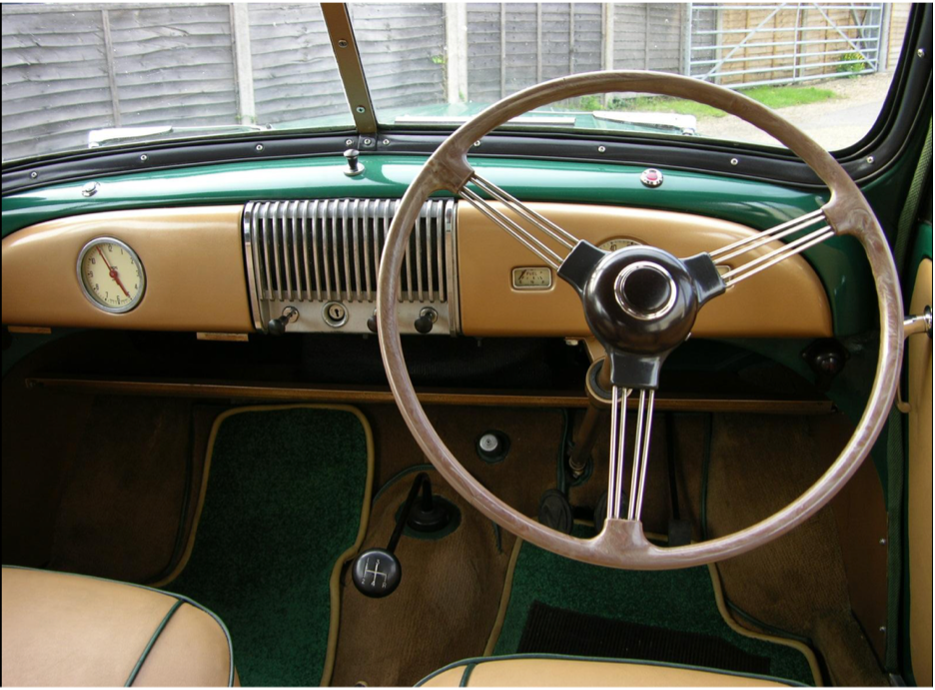
Strapped in, we meandered down the runway and slowly climbed into the sky. At this point, he asked me again where we were going as there was no flight path planned and no mechanism for ground-truthing. And so in this way we pootled through sky to the hum of the engine and the whirr of the single propellor as he pointed out things of interest below.
After some time, he asked me if I would like to take a short detour to see the gallows at Harper (bottom right in the county map above). I had mixed feelings about this, but having been reassured that the bodies had been removed I agreed. As we flew low over this coastal town, the capital of Maryland, there they were - seven gallows. I subsequently learned that there had been a series of ritual murders, as a result of which seven people had been convicted and publicly hung only a short while ago. The idea of ritual murder was new to me at the time, but when working in the working in the country during 2004-6, I saw that it was a reality - with fresh organs believed to have power and bring benefit. Working with an orphanage at that time, and with an election pending, I became aware of how orphans were vulnerable to attack and how aspiring politicians sought such “muti” in order to advance their cause.
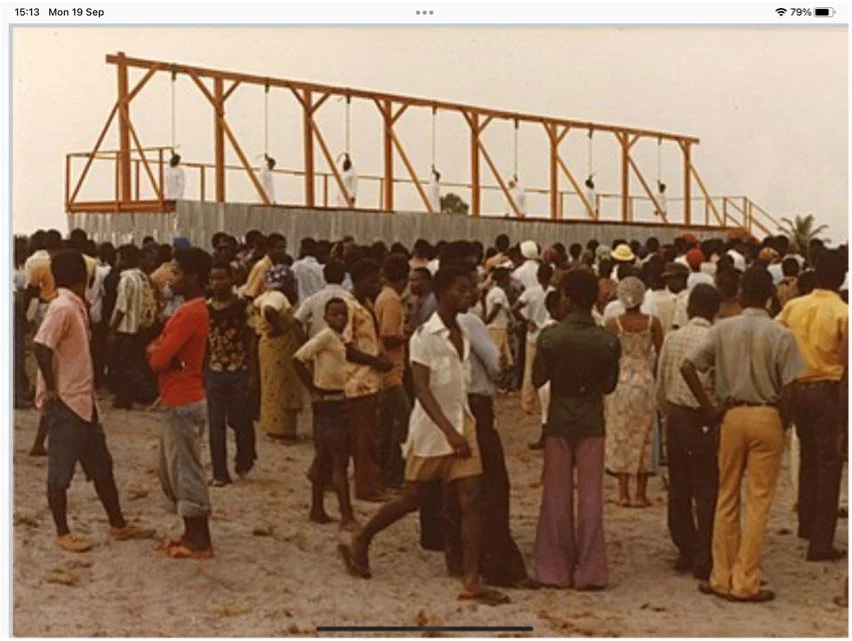
The Maryland Ritual Murders. Between 1965 and 1977 over 100 murders occurred in Maryland County, many of which were considered ritualistic due to the mutilation and removal of body parts. During the 1970s, Liberians in Maryland County were constantly under the threat of ritual murders. Between November 1976 and July 1977, 14 people had disappeared in the county prompting Liberian president William Tolbert to fire Superintendent of Maryland County, James Daniel Anderson, who failed to report the missing people. Tolbert publicly declared "Anyone who kills deliberately: The law will kill that person".[1][2]. These murders went unreported and uninvestigated until the murder of a local fisherman and popular singer, Moses Tweh. Tweh was abducted on June 26, 1977. His body was discovered on July 4, 1977, heavily mutilated with his eyes, ears, nose, tongue and penis removed. Prior to the discovery of Tweh's body, Wreh Taryonnoh, the girlfriend of Assistant Supervisor of Schools, Francis Nyepan, was allegedly heard by a group searching for Tweh saying that "if they would be so lucky to find him, only his bones they might see". This sparked the arrest of 12 people, a majority of whom were government officials.[3][4] Seven of these were eventually found guilty and hung in public on the gallows.
Leaving Harper and the gallows behind, we proceeded onto the project “site” - a largely forested area in which there was, apparently, a landing strip. Seeing a break in the forest that appeared to vaguely fit the description the pilot - without warning - suddenly threw the plane through ninety degrees so that one wing was looking towards the earth and the other to heaven…..”just checking to see if they’ve cut the grass” he drawled.
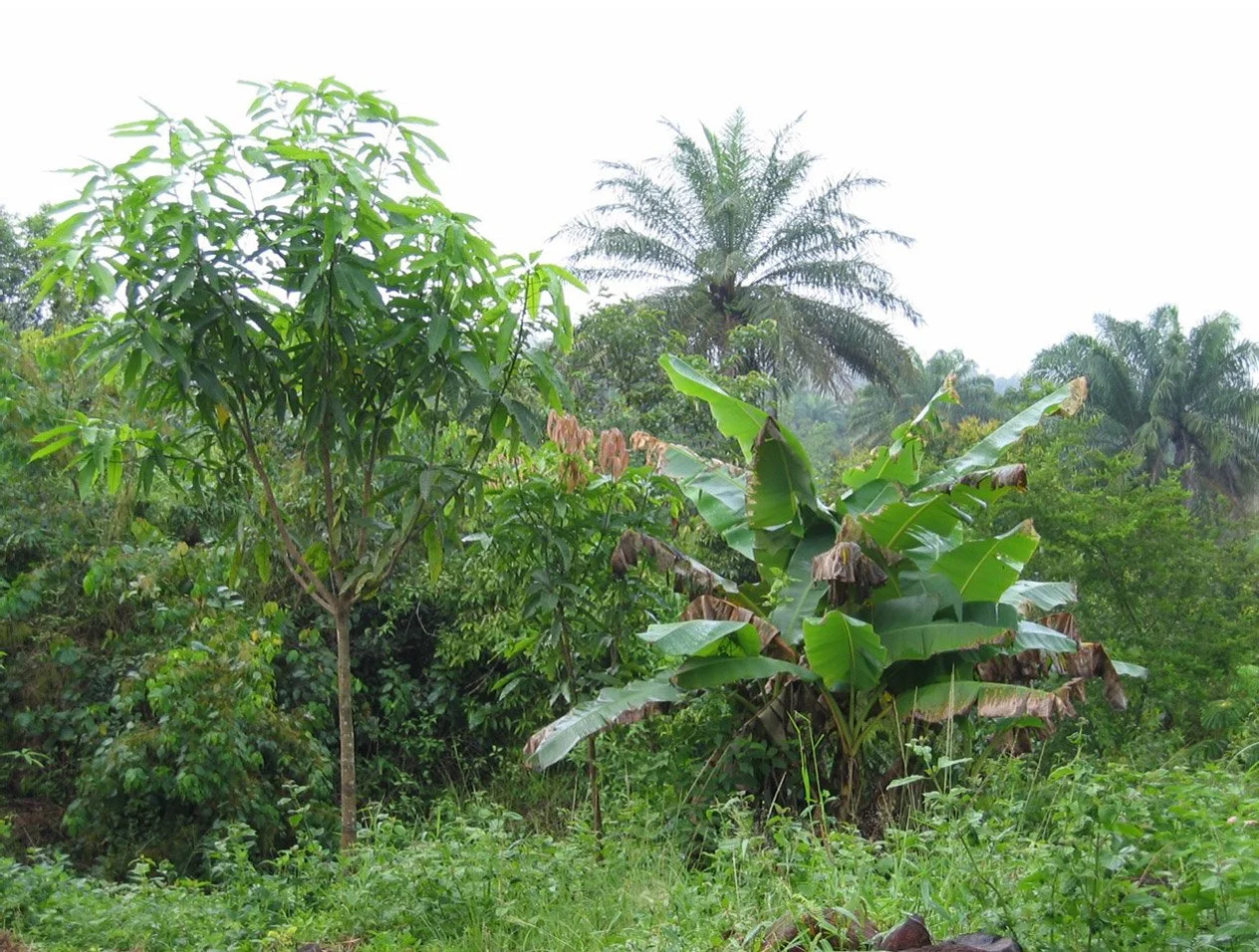
Thus convinced, he turned the plane round and approached the grass strip which ran up a short hill, at the top of which we stopped. Within seconds, hordes of children rushed out to see who we were - perhaps also hoping to glean a coin or two.
We climbed out of the plane, shook hands with a lot of people and talked to them about the project. There was not a lot that they knew about it, and the real benefit lay in getting an aerial overview of the project and what would be involved in its development, as well as some photos of both the vegetation and the local people.
It was only as we climbed back into the plane that I appreciated why this short “landing strip” was on a hill. When landing, the upwards gradient had helped to slow the plane down……and when taking off downhill, we were able to get up enough speed to be able to safely leave terra firma. Once in the air, we pootled back towards Monrovia, a bit like sitting in one of the early Morris Minors but with wings, chatting and learning about what lay below us.
About 15 minutes before we were due to land in Monrovia, he leant over and said that he thought it would be a good idea if we “lost some height” …as we were now directly in the flightpath of the British Caledonian DC10 flight which was due in at about this time…..
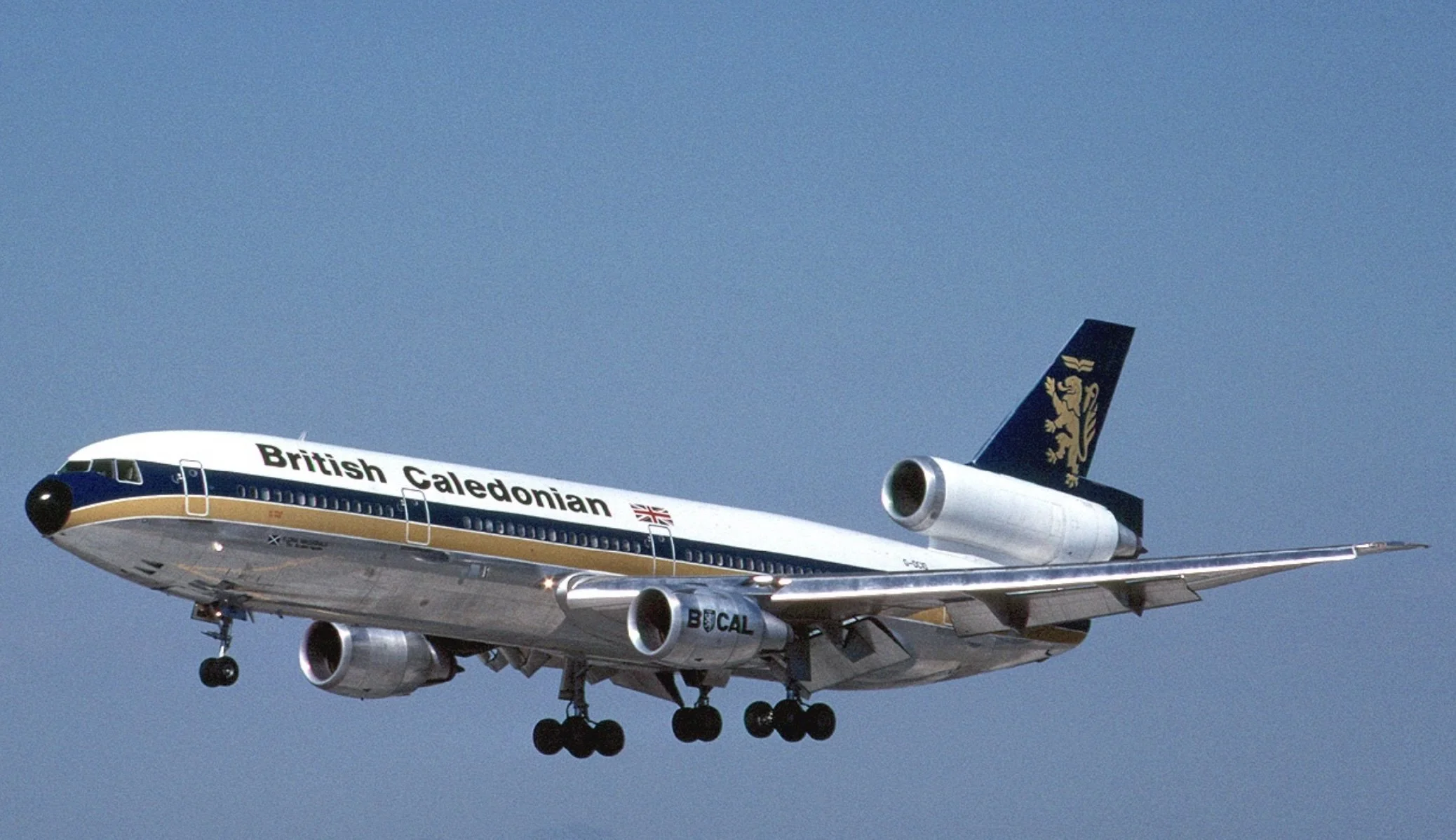
….it may be true that in the world of sailing “power gives way to sail”, but on this occasion, it seemed pertinent to lose height and potter below the flightpath of the incoming passenger jet.
Within minutes, we bounced back onto the tarmac on the outskirts of Monrovia. Clambering out of the plane, I thanked my pilot for getting me there and back safely. I walked out of the airport and found a taxi back into town – a few dollars lighter in my pocket and with a head full of enough unusual encounters to keep me going for a few days.
We did not get the job – perhaps for the best since we did not really have the experience – and I did not return to Liberia for another 26 years, by which time a brutal civil had consumed the country and was only then showing signs that peace might be possible. My job that time round was to try and find ways of creating employment for some 120,000 ex-combatants, mainly young people who had given up their weapons in return for $300 and the prospect of work – such work at the time being entirely funded by the UN at an unsustainable cost of around $600,000 a week. You will be able to read more about this in the upcoming New wine in old wine skins – supporting entrepreneurs to kickstart rural life after conflict.