New wine in old skins - building hope and opportunity after conflict
I have never directly experienced the terror of armed conflict but I have had the privilege of working in parts of Africa where conflict is coming to its end. I was there with the hope of being able to help to build both hope and opportunity for those affected by such conflict and who will have to start a new life. Even when peace is emerging, there is much that remains uncertain - buildings and infrastructure (both physical and organisational) have been destroyed, schools closed, power and water supplies damaged - whilst people with uncertain allegiance are still wandering around with guns and old scores remain to be settled. Below, and in the sections that follow, I share some of my experience of working in such an environment and seeing how it is possible for hope and opportunity to emerge. But why new wine in old skins?
This phrase can be found Matthew chapter 2 which reads "And no one pours new wine into old wineskins. Otherwise, the wine will burst the skins, and both the wine and the wineskins will be ruined. No, they pour new wine into new wineskins.” I use this phrase to refer to the fact that in the process of destroying the physical infrastructure (building, roads, utilities) and organisational infrastructure (political, educational, health and legal) the chaos of war can create the opportunity to dispose of some of the old infrastructure that was limiting progress and replace them with something better suited to meeting the needs of the people. If that is to happen, whose decision is it? Is it entirely that of the local people and their representatives or should it involve those who are paying for the required reconstruction and rehabilitation? This question came home to me when working in Sierra Leone during 2001-2, where before the war the formal legal system had been a mixture of western-style courts interpreting a written system of laws and the traditional courts in the rural areas - which were under the direction and influence of the local chiefs. Was there now an opportunity to replace this traditional legal system, with its recognised weaknesses due to a lack of checks and balances and which was now largely destroyed, with something more transparent and accountable? This was an issue that was being discussed by the donor community, which was reluctant to finance and reinforce the old system. In the end it was decided to support the re-establishment of the traditional system - because time was short and misdemeanours needed to be dealt with - but to apply pressure to address its recognised weaknesses. This is an issue that arises time and again.
Before sharing some examples of building hope and opportunity, below are some pictures that show the reality of war and its aftermath.
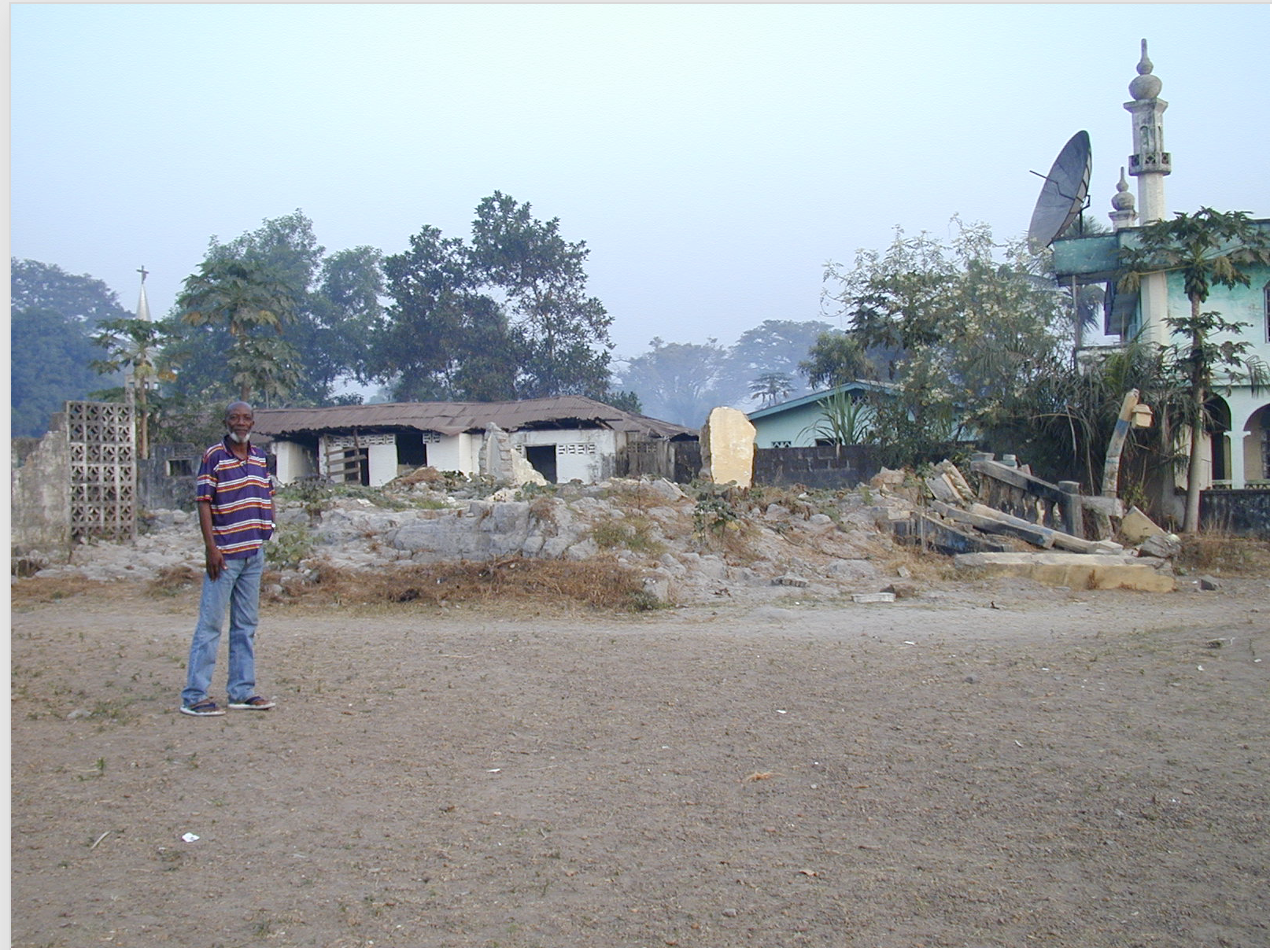
The physical destruction of homes
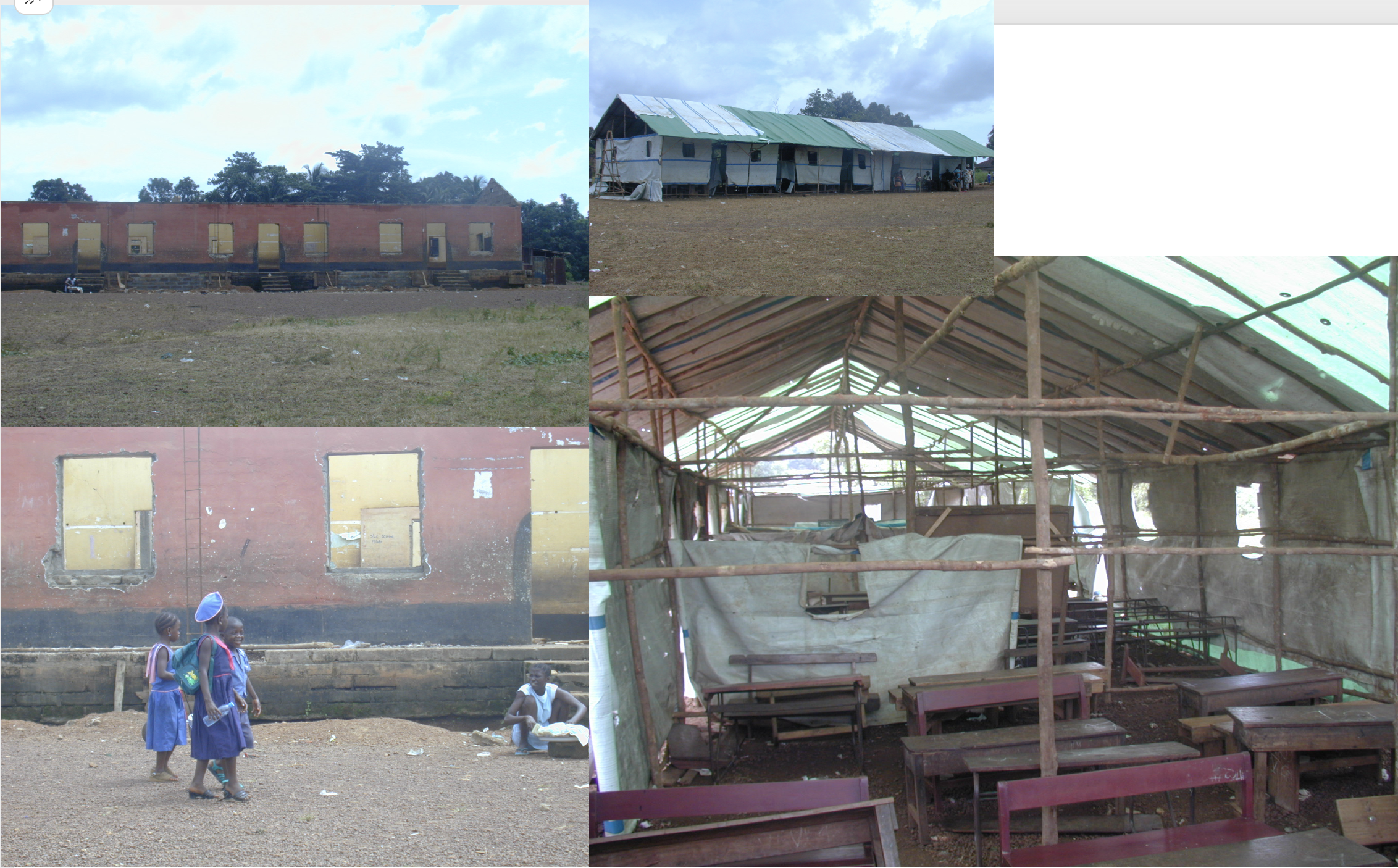
Schools destroyed and replaced with temporary structures like those on the right.
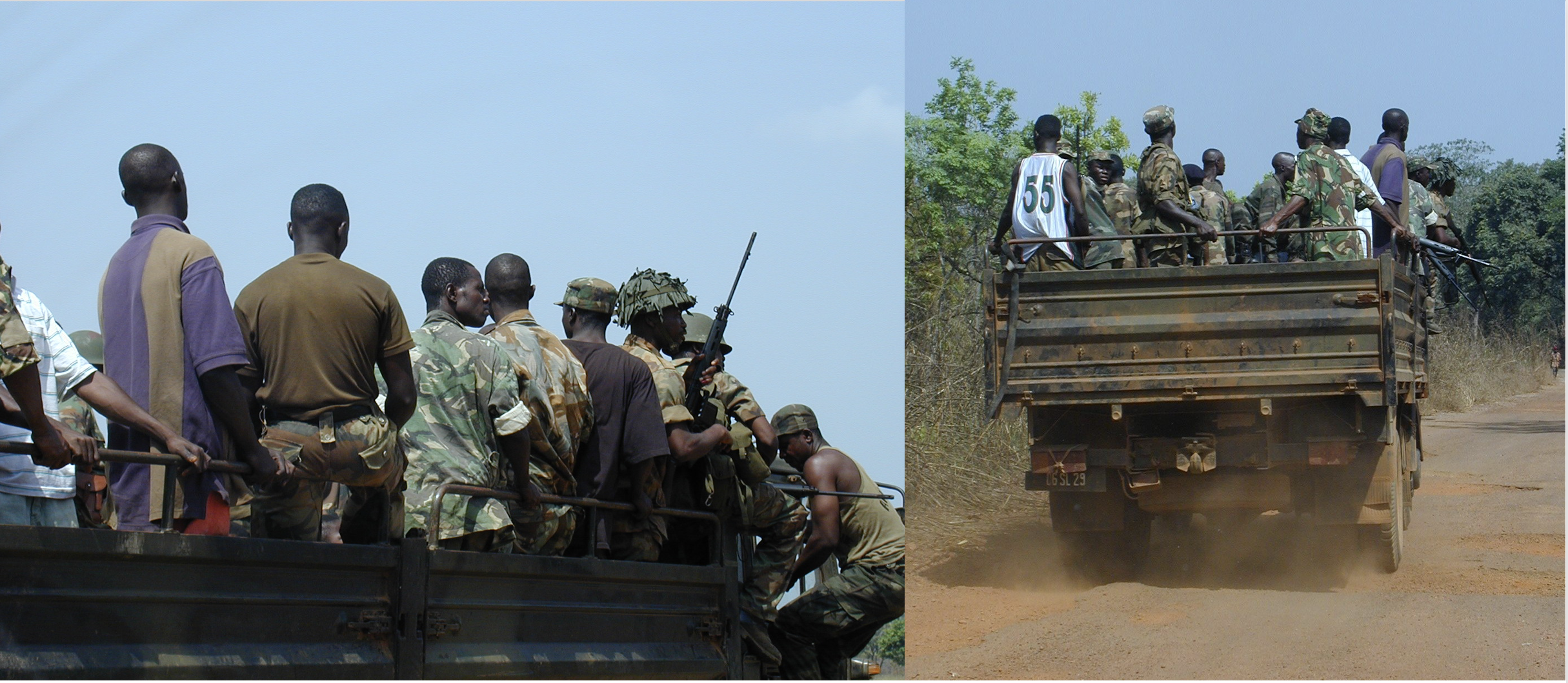
When you meet groups like this you have no idea whom they represent….
Here is a “child” soldier - with the white beads. Once recruited they are unable to escape and may be drugged to help them to overcome fear. Note the man on his left, with a gun nonchalantly on his shoulder.
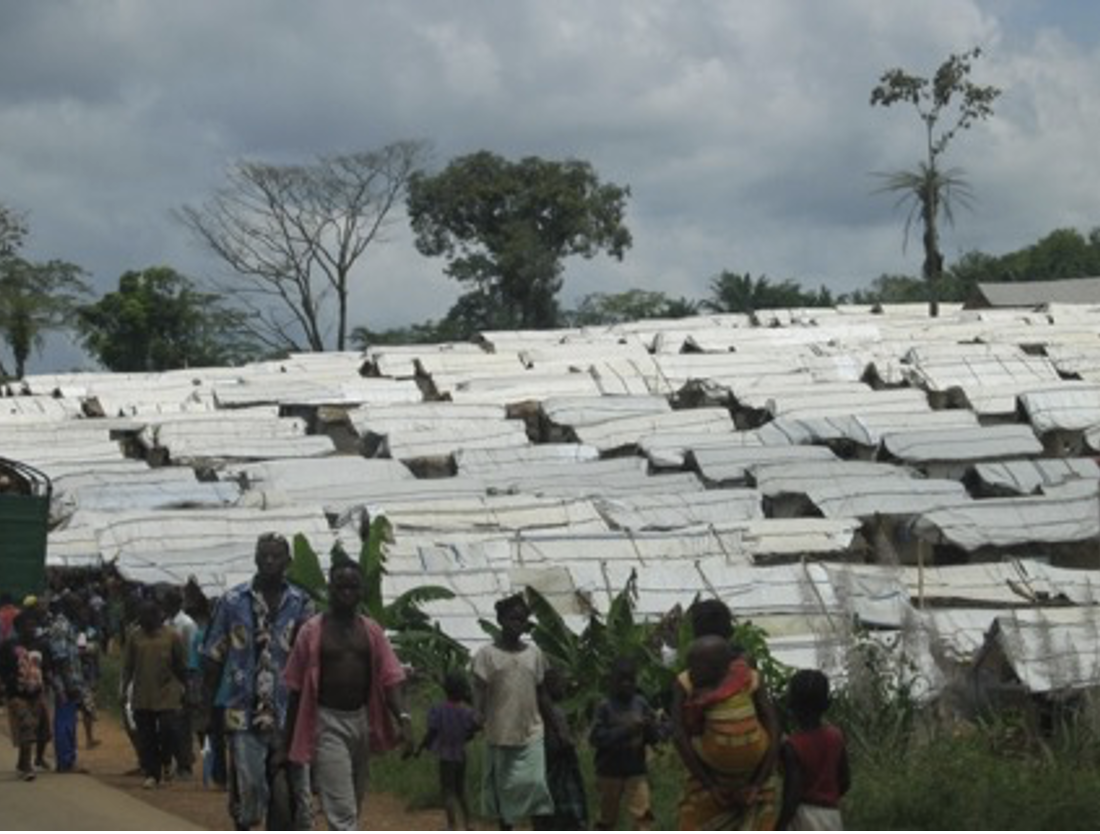
Many people flee their homes looking for safety. Whilst many will flock to the capital others will make their way to make-shift refugee camps such as this one in Sierra Leone. When the time came for people to return to their homes these camps were destroyed so that people could not return to them.
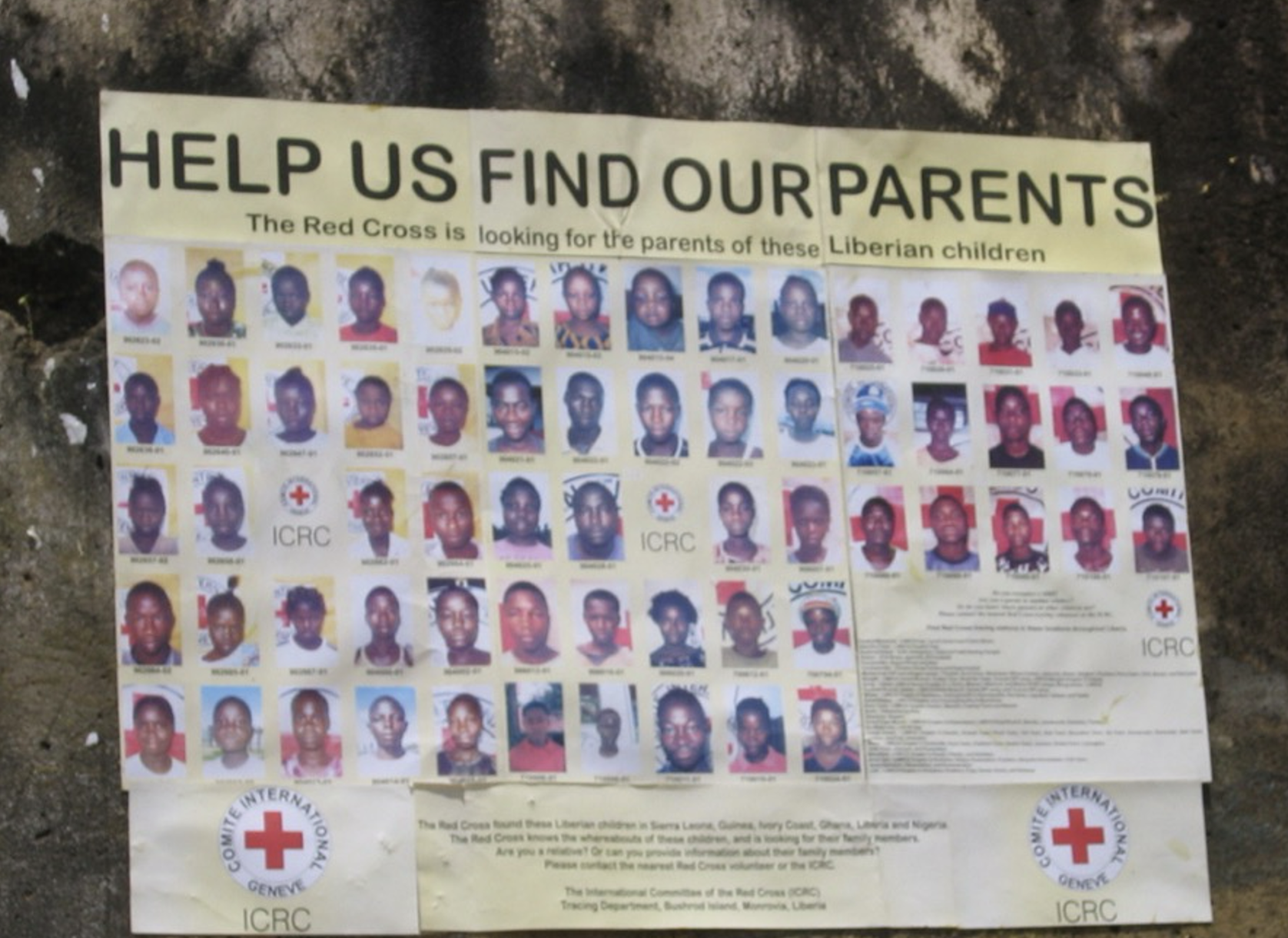
A tragic reminder of children who have lost or lost contact with their parents - this one in Liberia….
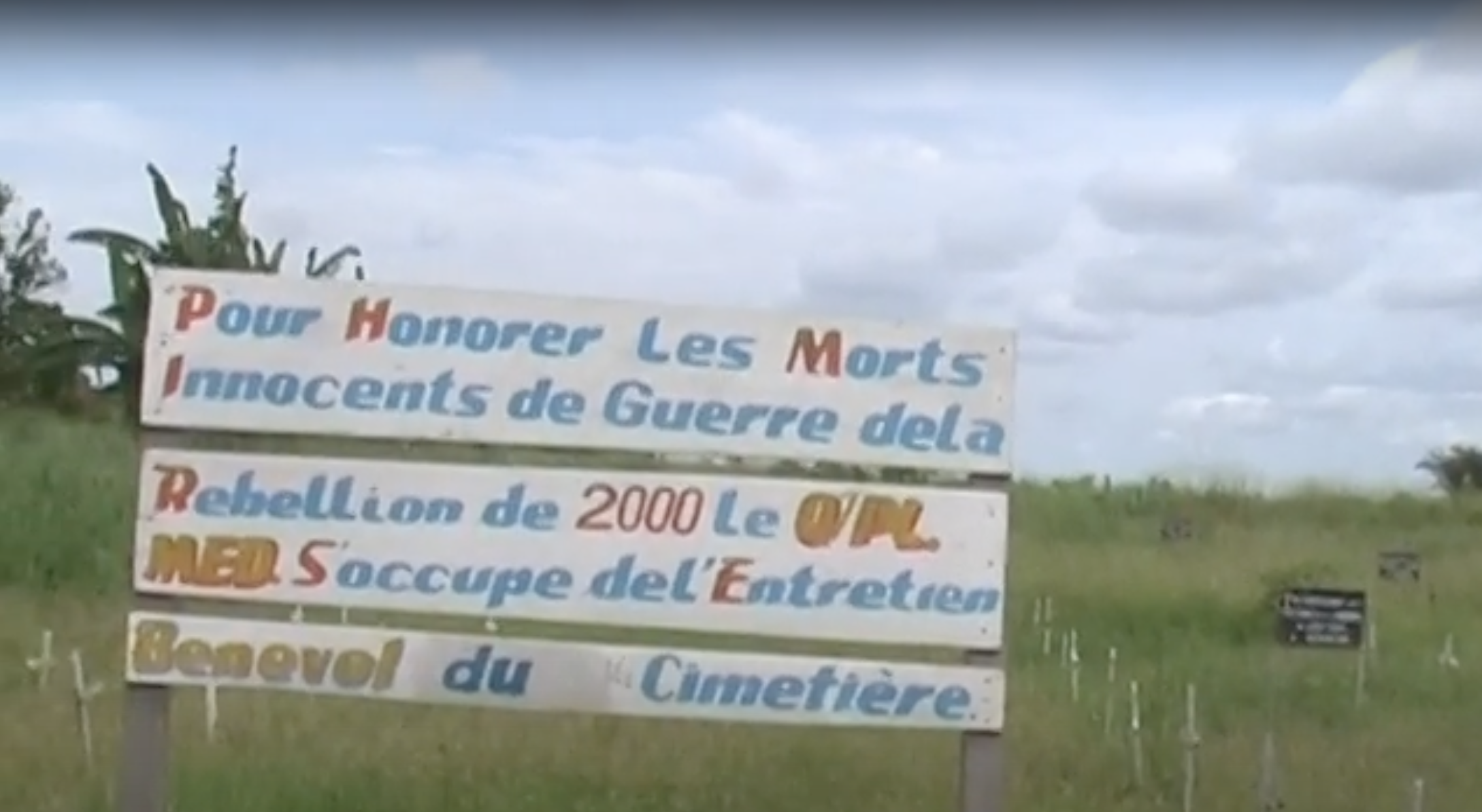
A cemetry in Kivu Province in the DRC, where thousands died in fighting between warlords battling to control the supply of vital minerals - including diamonds, Uranium and Coltan (used in mobile phones)….
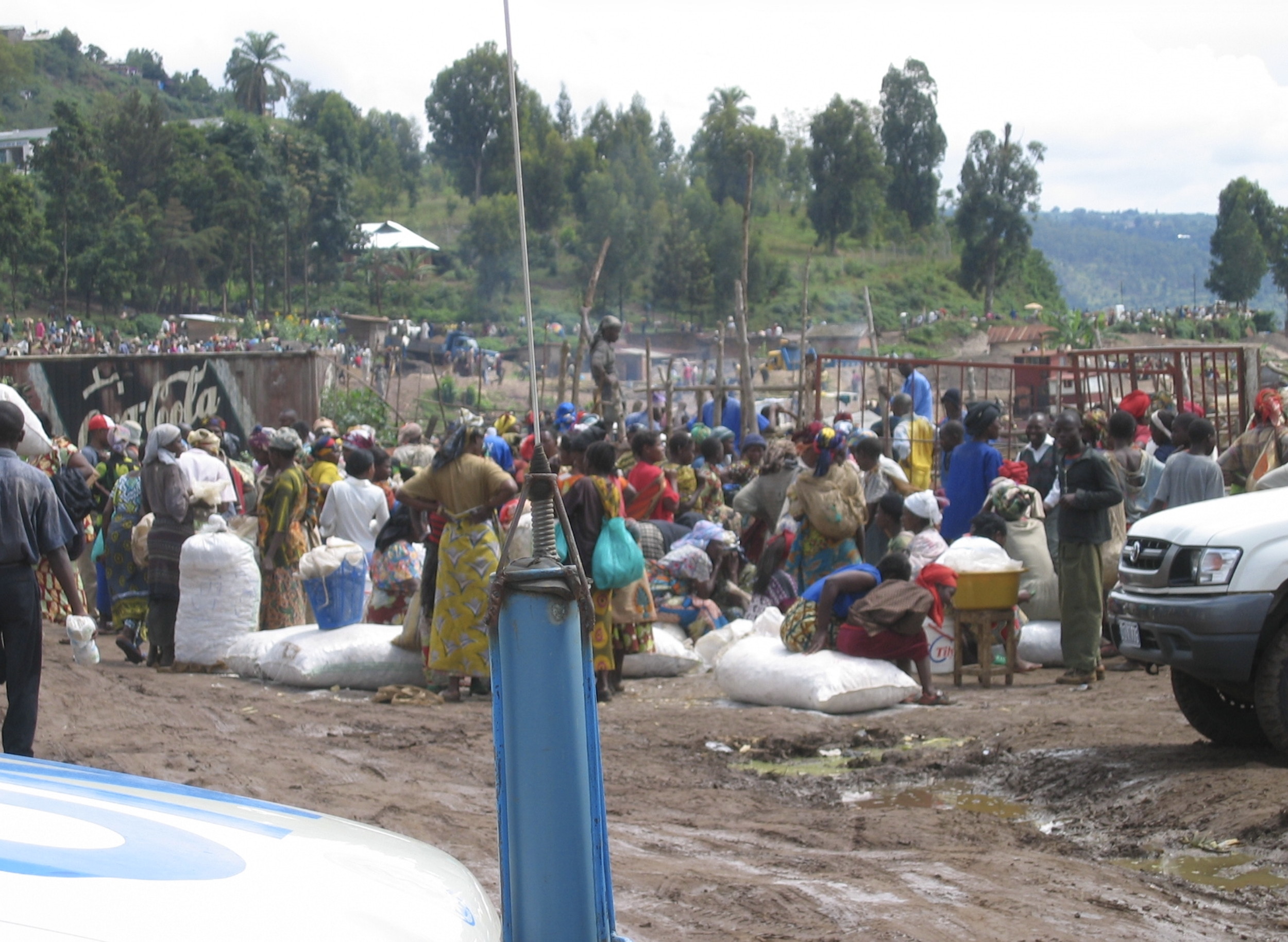
Displaced people in Bukavu in the DRC waiting to get the ferry north to Goma.
At the same time, within the trauma and destruction, one can see the hope and the resilience of the human spirit
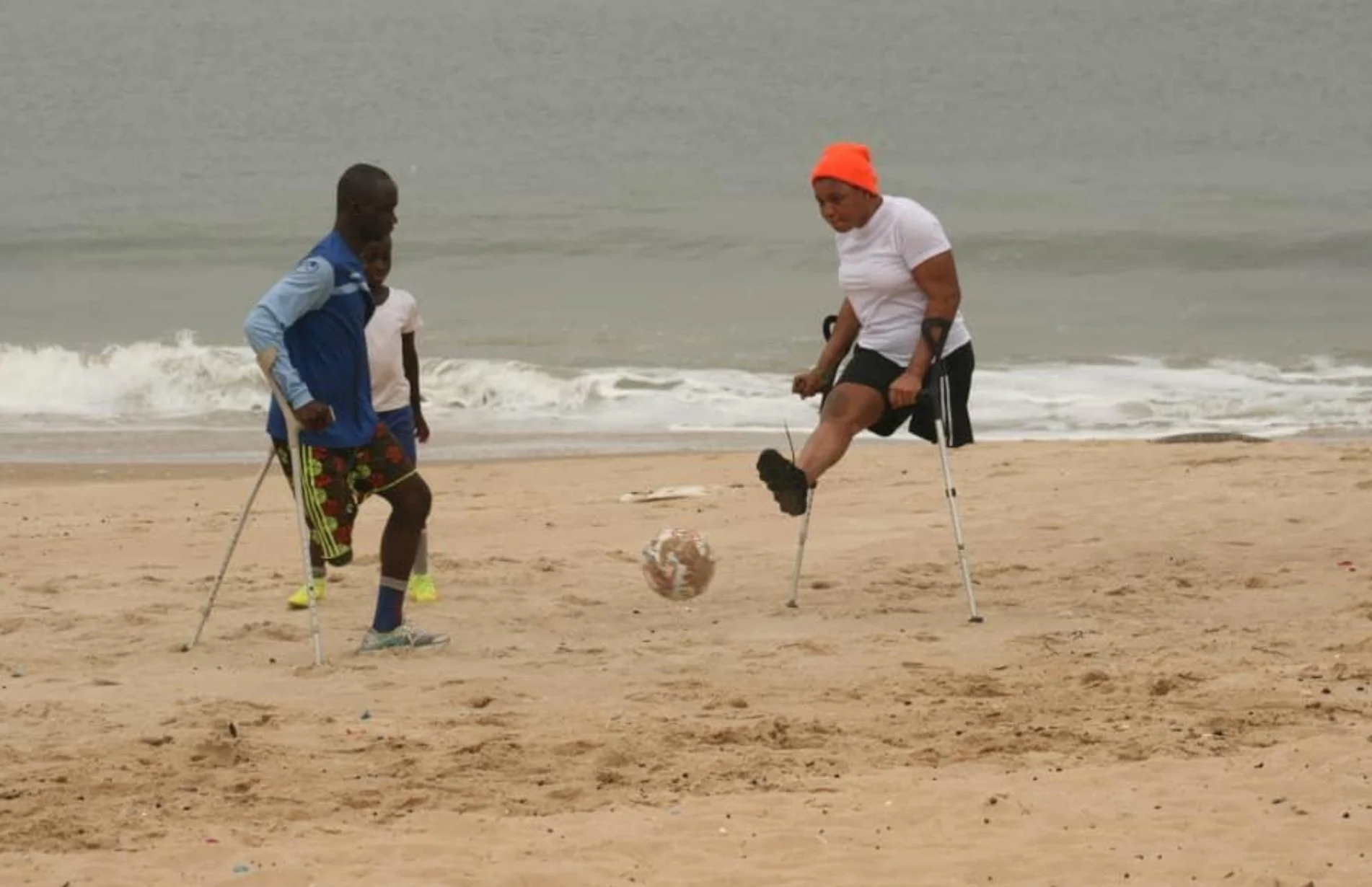
Here are amputees - both men and women who lost an arm or a leg to a machete or a bullet in the civil war - playing football on Lumley Beach in Freetown….
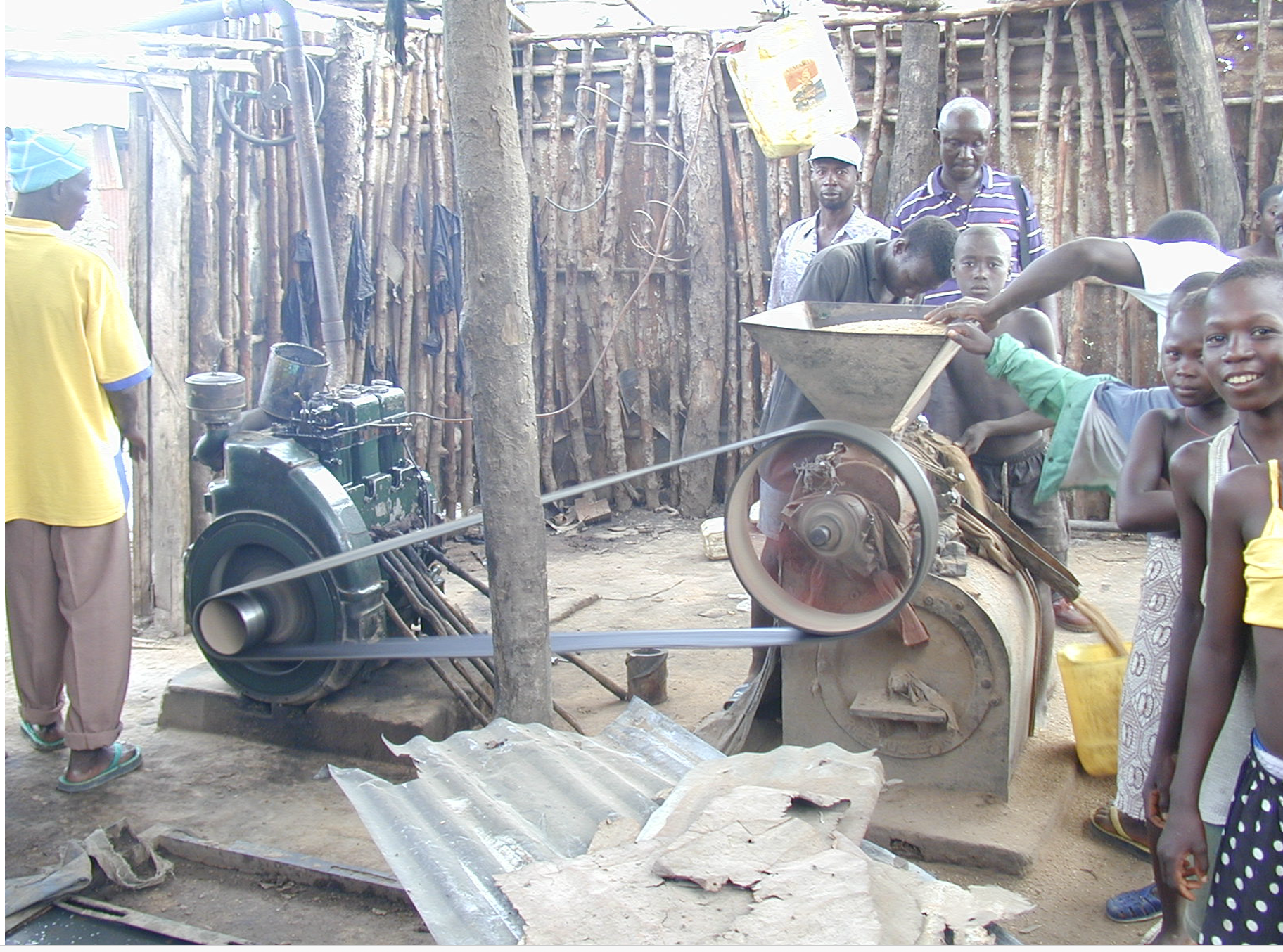
A community in Sierra Leone brought alive by a now-functioning rice mill made possible simply by providing a drive belt….
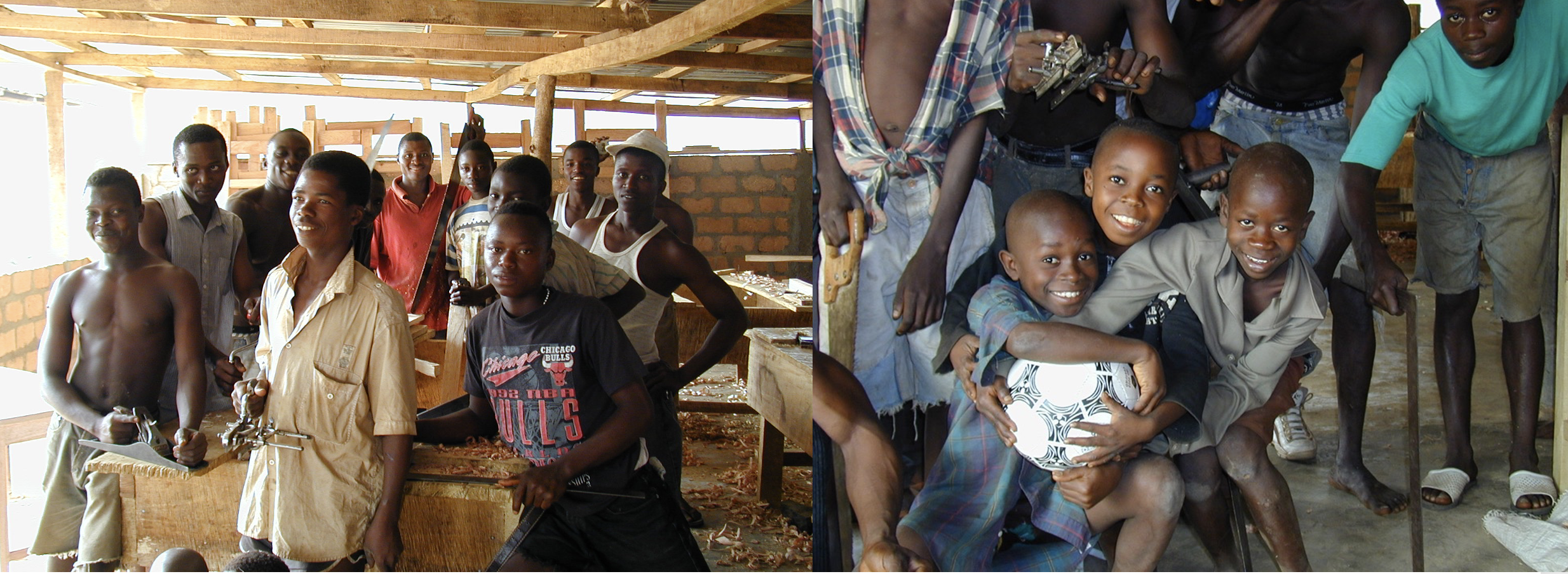
Freed “child” soldiers. The older boys, having been released, are now learning a trade. The younger boys are celebrating receipt of a football purchased from Bateman’s in Stroud. When travelling to situations like this I would often take several deflated footballs in my suitcase - to be inflated and given away at an appropriate time. One of the hazards was the large amount of barbed wire around which could easily puncture the footballs…..
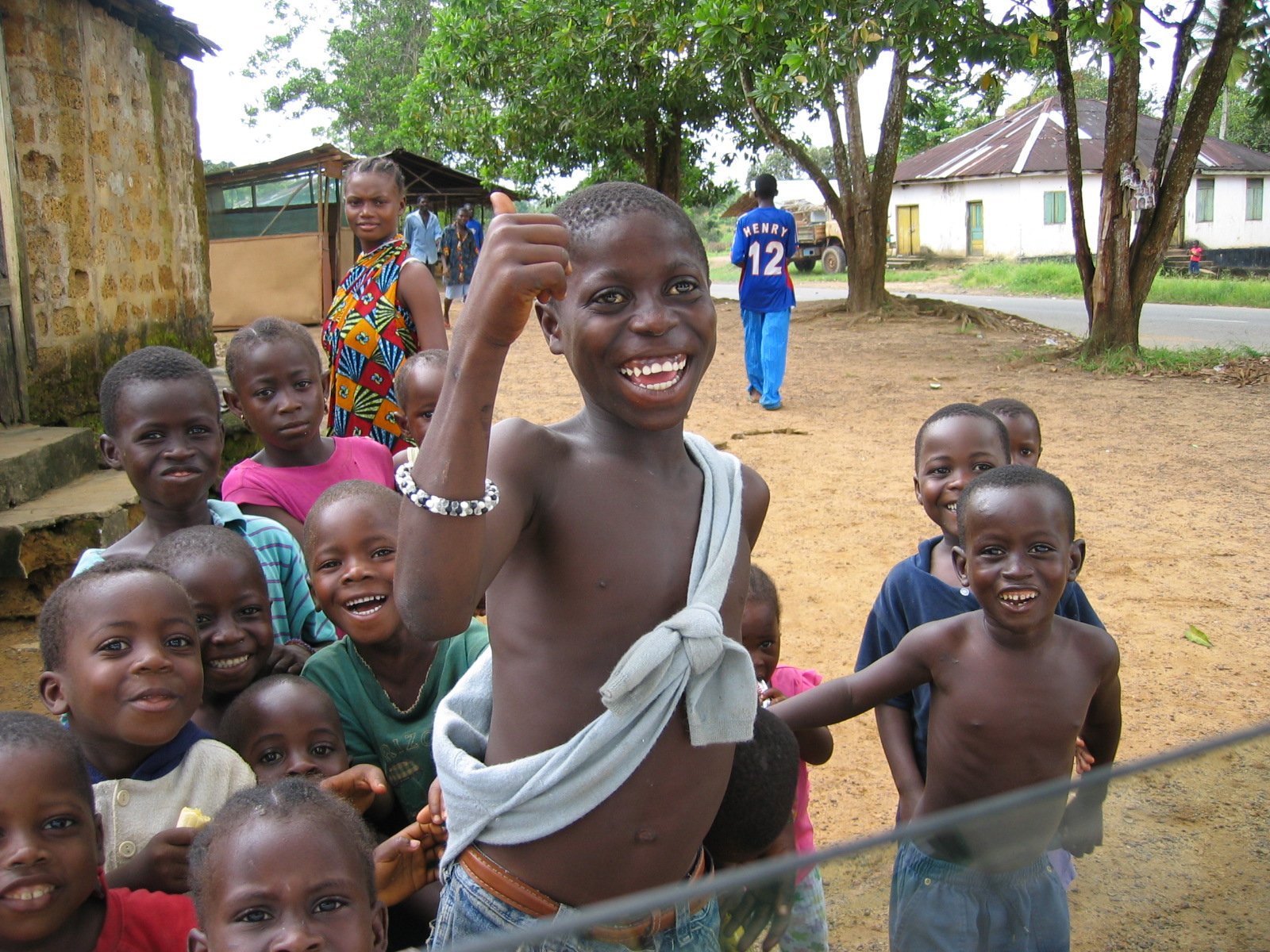
A smile returns to the face of our former “child” soldier….
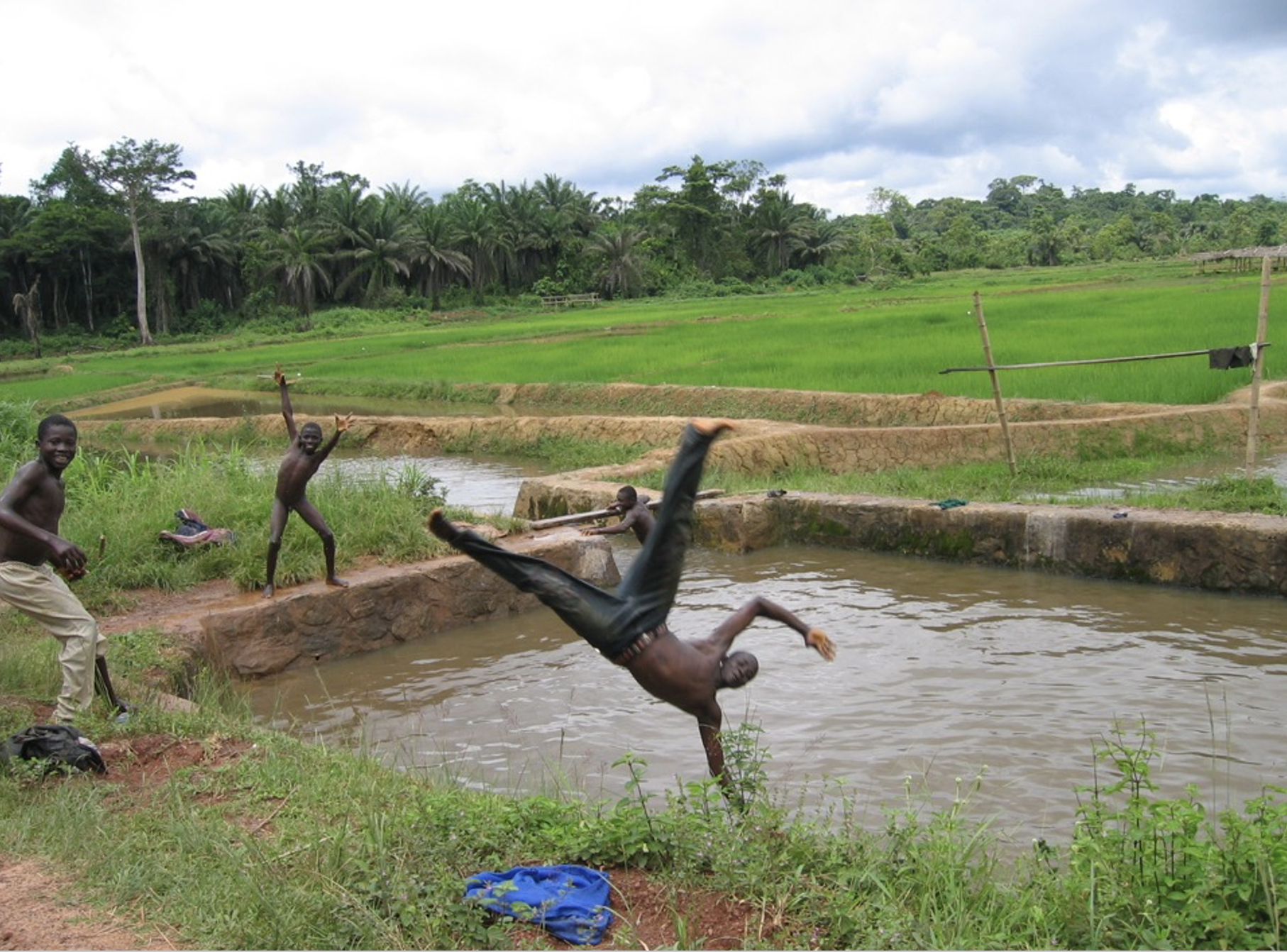
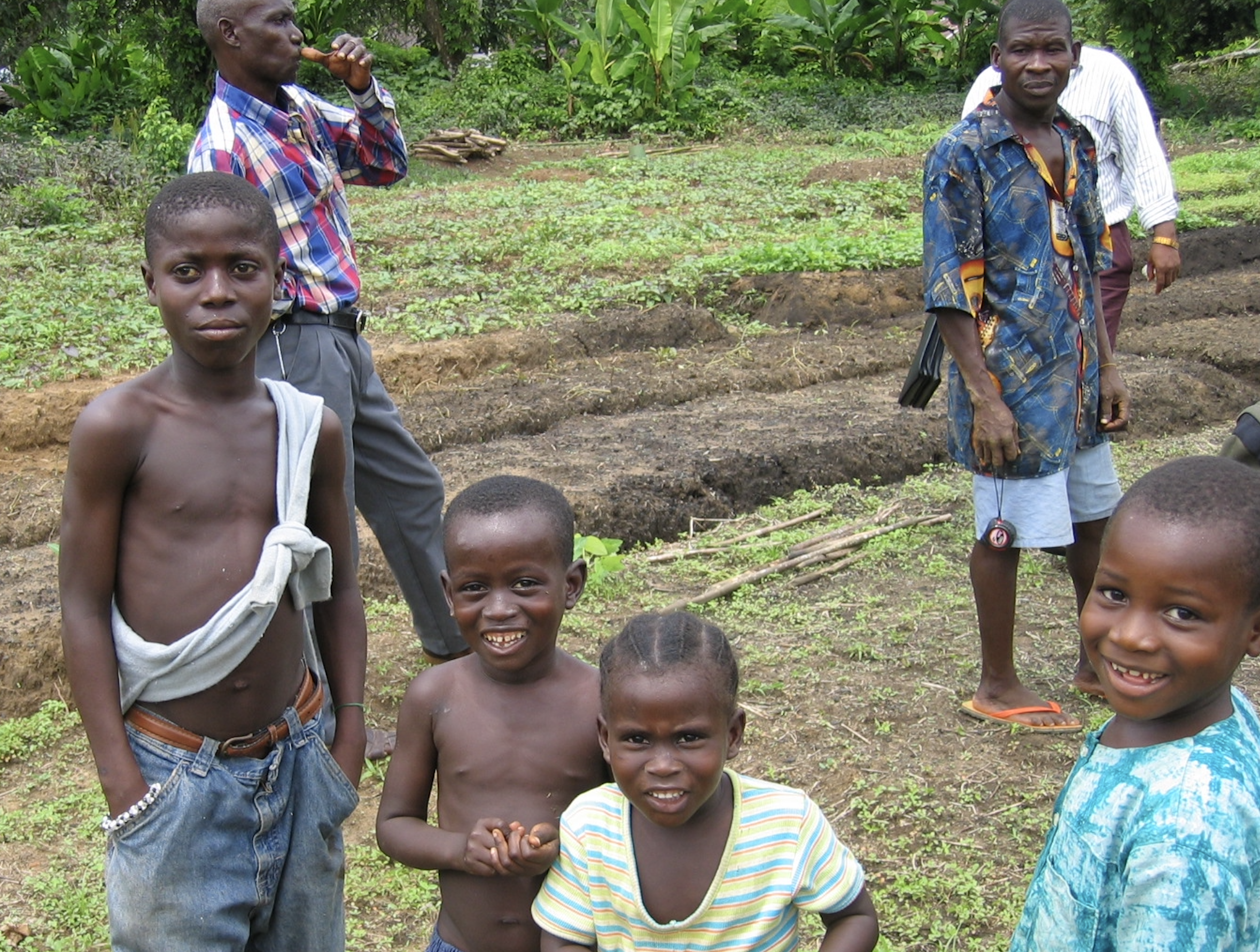
Kids being kids in rural Liberia - happy that it’s now possible to grow rice….
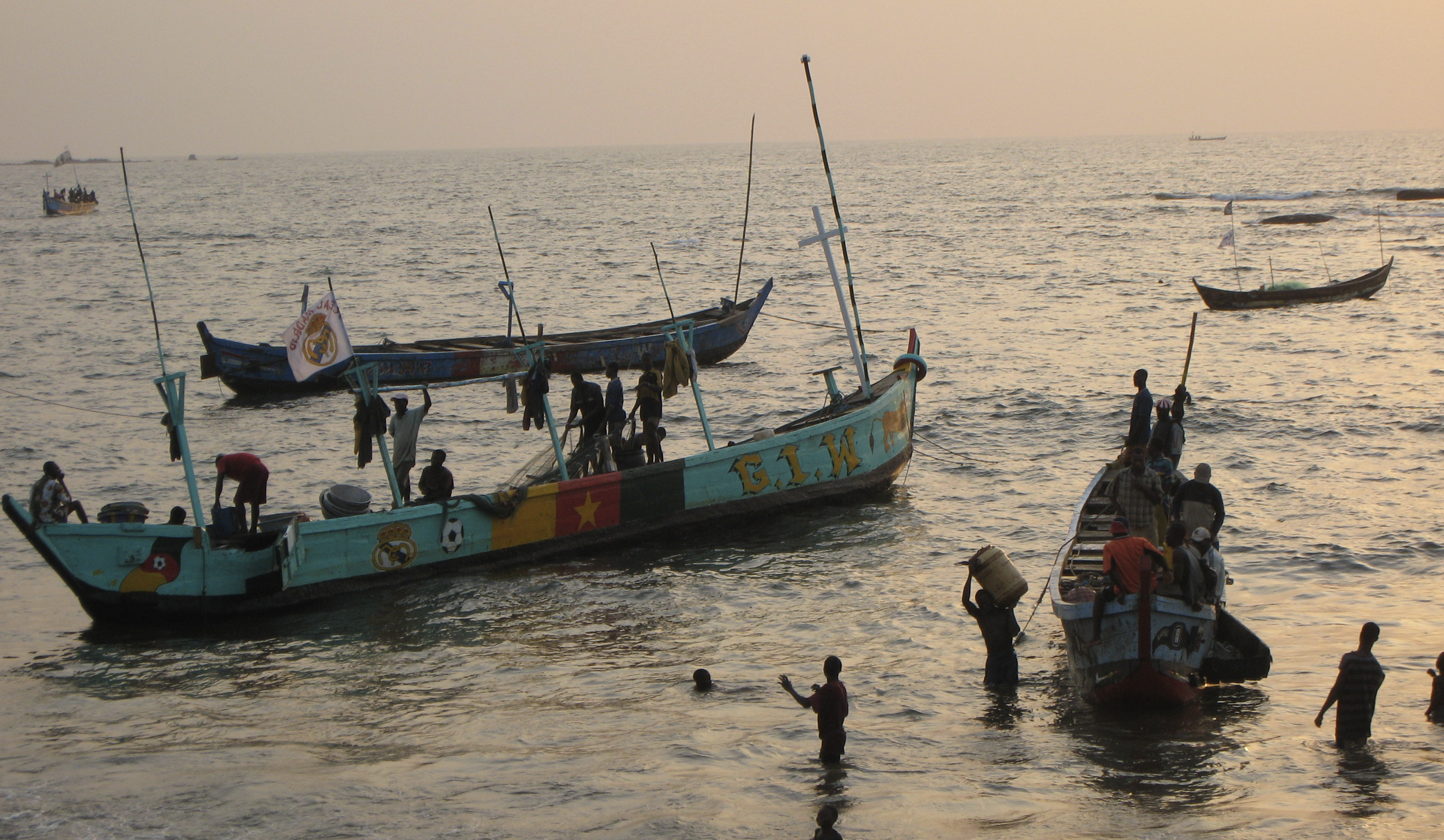
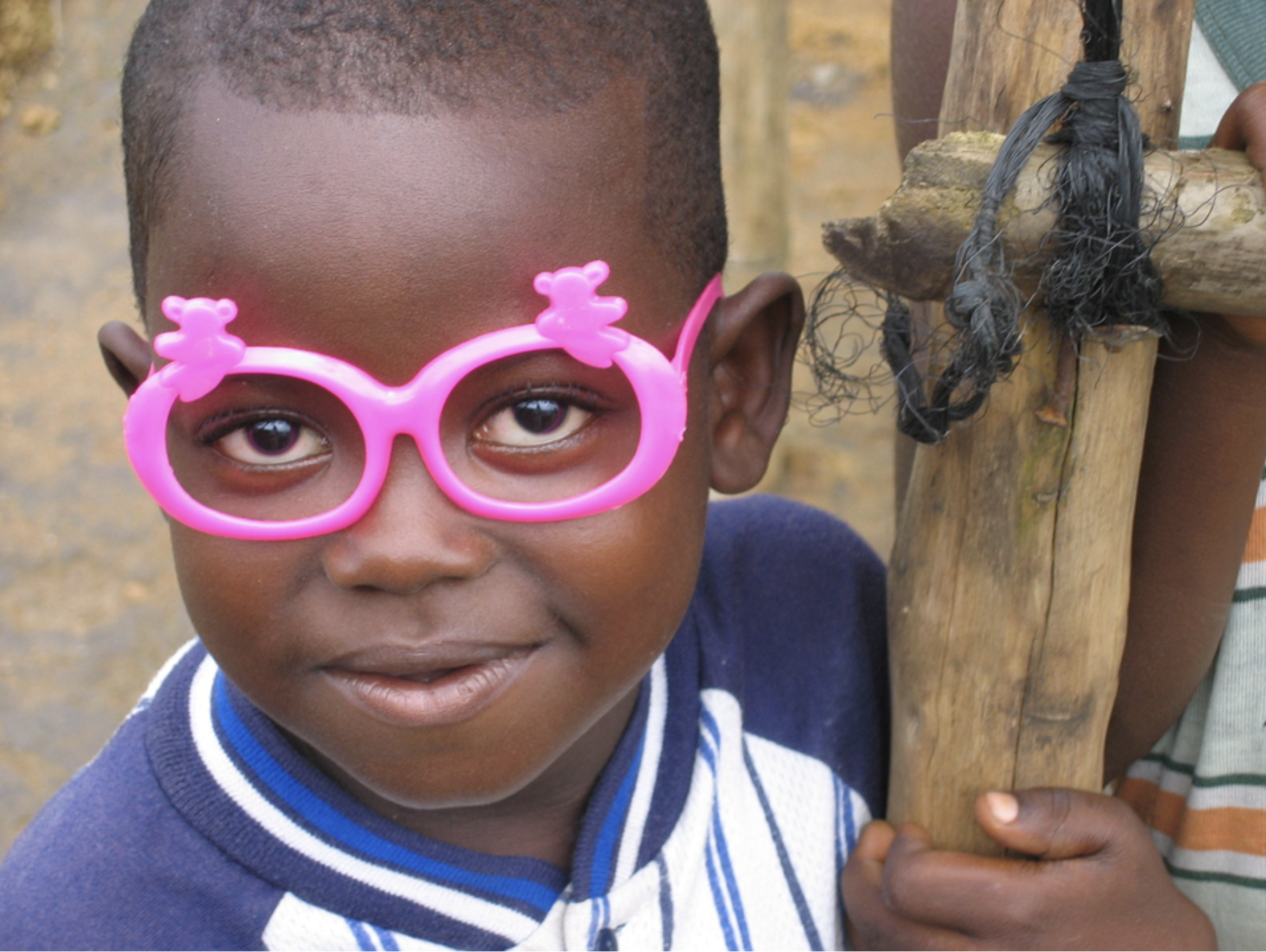
Fishing resumes off the coast of Liberia - bringing in the fish. And it was whilst walking along this beach that I met this cheerful and cheeky young man, in his pink glasses, who reminded me of the importance of looking to the future towards what is possible whilst recognising the difficulties and uncertainties arising from the past….
You will find the first of these stories of hope and possibility in the rehabilitation of an oil palm plantation deep in Liberia.